Build It. Code It. Bring It to Life.
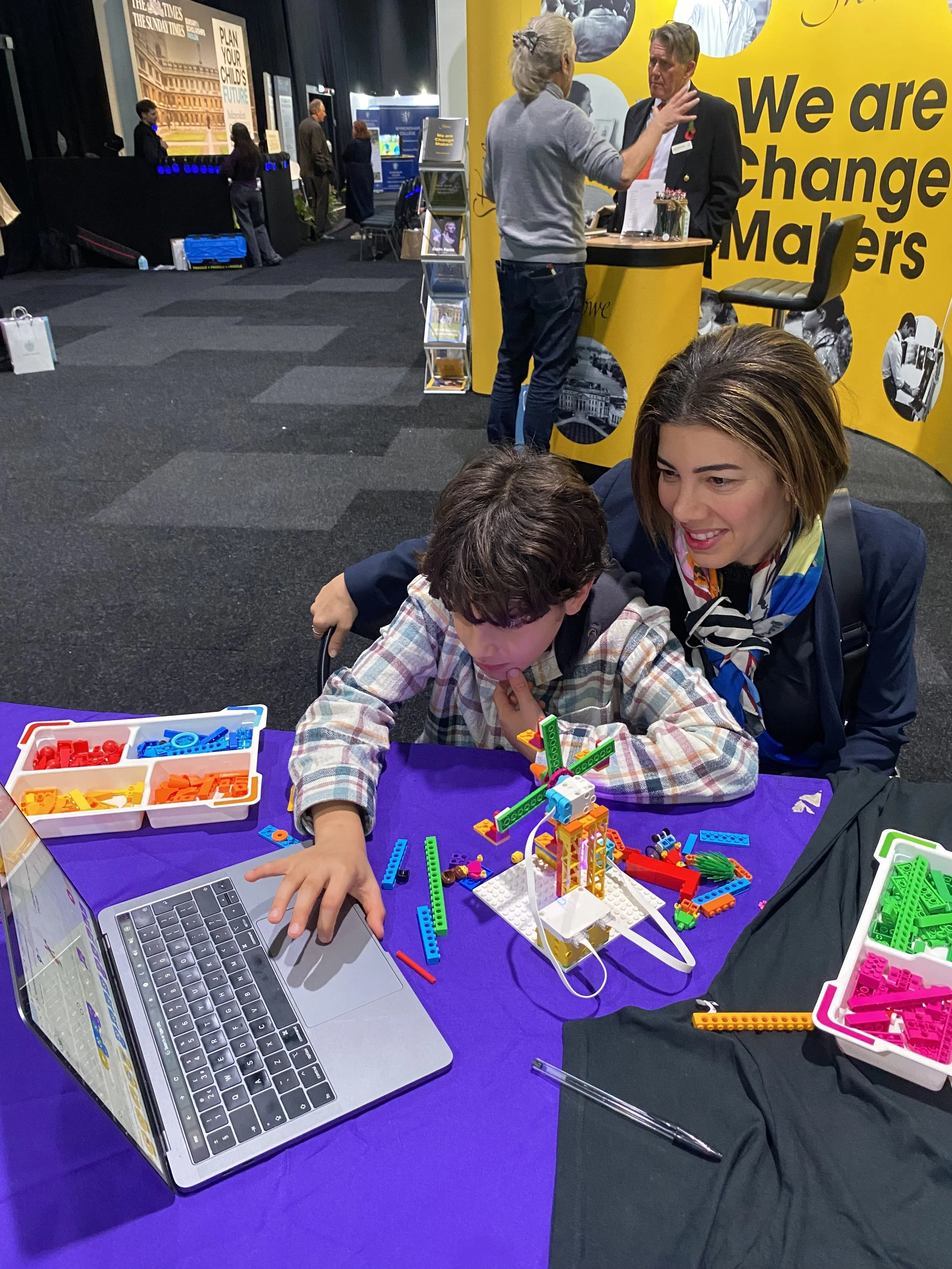
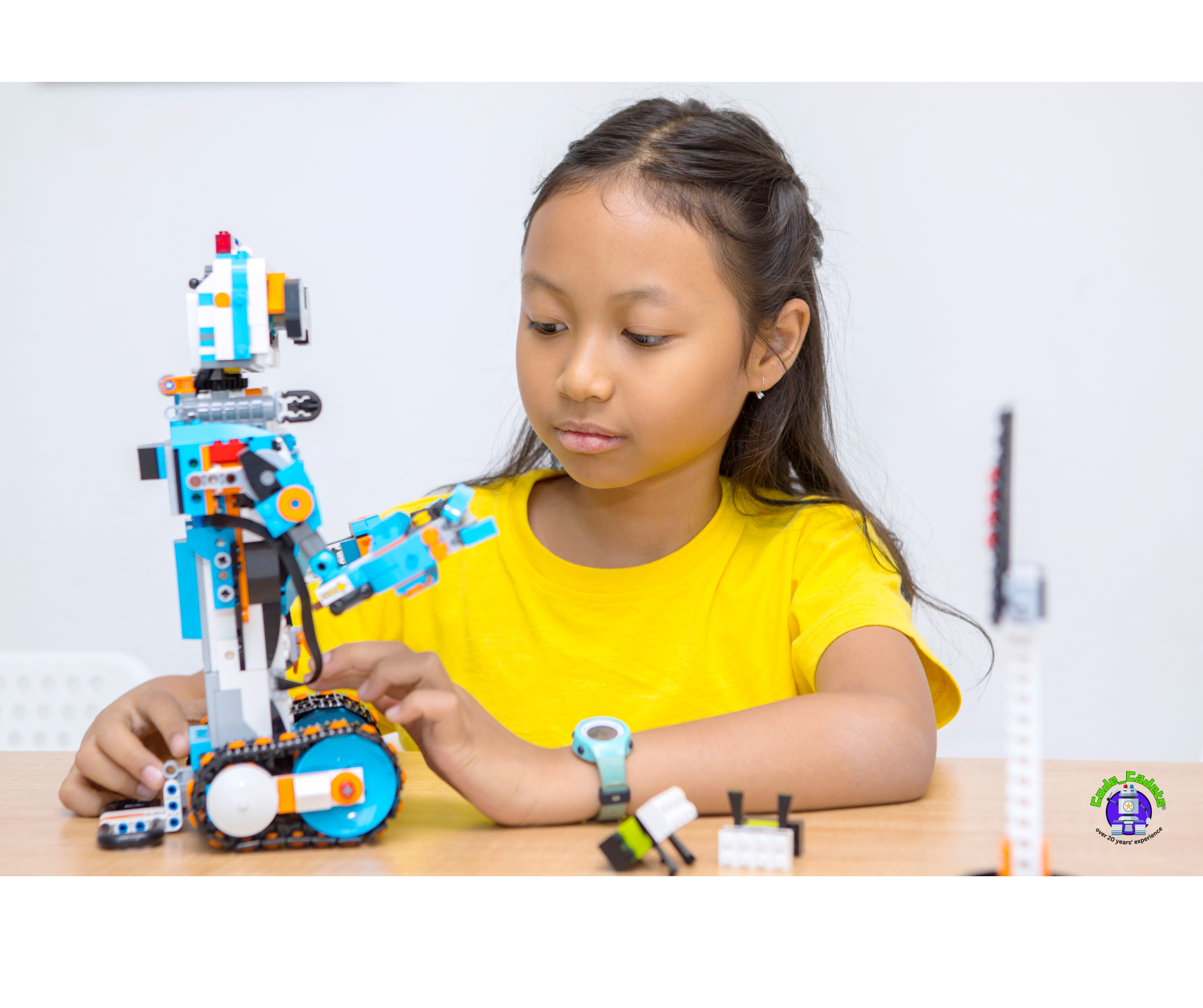
Robotics turns code into something children can see, touch and control. Cadets learn programming, engineering and problem-solving by designing, building and programming real robotic systems.
Engineering Starts With Getting Hands-On.
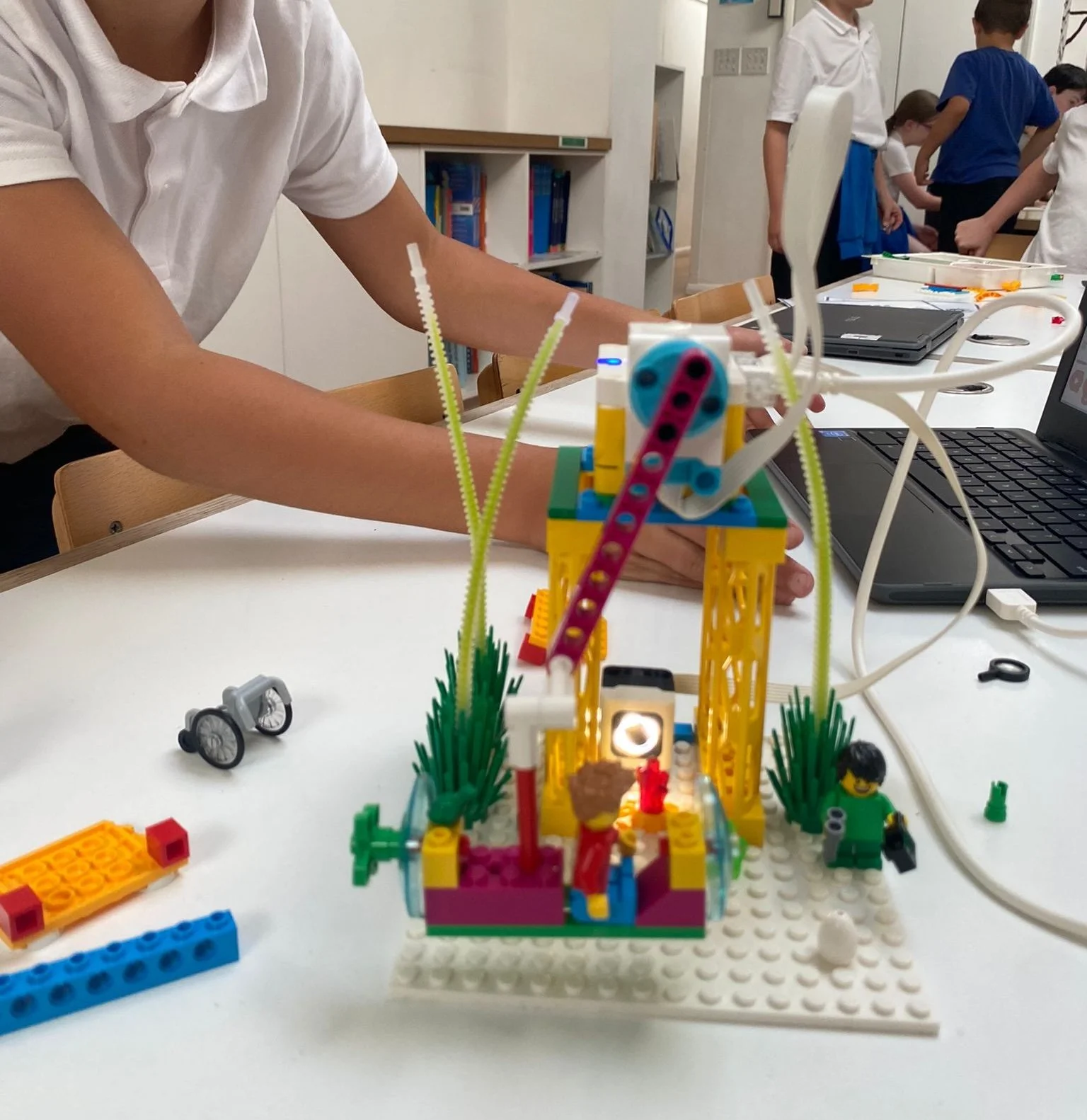
Cadets don't just watch robotics happen. They design structures, write the code, test whether it works — and then figure out why it didn't. That's how engineering actually gets learned.
Build
Understand structures, mechanisms and physical design.
Code
Program movement, behaviour, sensors and interactions.
Test
See immediately whether an idea actually works.
Improve
Debug, redesign and solve problems through experimentation.
Different Robots. Different Challenges.
Cadets work with real robotics platforms — each one unlocking a different kind of engineering problem, from mechanical builds to sensors, navigation and physical computing.
LEGO® Education SPIKE
Build and program mechanical robotic systems.
BBC micro:bit
Explore electronics, sensors and physical computing.
Sphero
Program movement, navigation and interactive challenges.
Botzees
Introduce younger cadets to building and robotics.
Bit Bots
Experiment with programmable robotic behaviour.
From First Build to Robotic Engineer.
A clear route from first machines to original robotic solutions. Parents can see where their child is going. Cadets always know what comes next.
First Machines
Build simple machines and understand how robots work.
Make It Move
Program movement, lights, sounds and basic behaviours.
Read the World
Use sensors, inputs and conditions to make robots respond to their environment.
Solve Harder Problems
Combine mechanics and code to solve increasingly difficult problems.
Original Solutions
Design and program original robotic solutions.
Every Build Has A Mission.
Cadets aren't told "today we're learning loops." They get a brief, a goal and a reason to make the robot work — then earn points for pulling it off.
Rescue Rover
Build a rover capable of navigating the disaster zone, detecting an obstacle and reaching the rescue point autonomously.
Rolling Start
Program a robot to follow a path, stop on a marker and signal that the mission is complete.
Sensor Sweep
Use sensors and conditions so the robot can detect, decide and respond without being driven by hand.
Challenges
Team Missions
Competitions
Hackathons
They're Playing With Robots. They're Learning Engineering.
Every mission is a STEM lesson in disguise. Cadets practise programming, engineering, science and maths by making something physical actually work.
Programming
Algorithms, loops, conditions, variables and debugging.
Engineering
Mechanical design, structures, movement and iteration.
Science
Forces, motion, sensors, energy and experimentation.
Mathematics
Measurement, angles, distance, timing and logical reasoning.
Built to Support Classroom Learning
Activities can reinforce concepts across Computing, Science, Design & Technology and Mathematics.
Build. Compete. Climb the Rankings.
Progress comes from what cadets actually build and complete — not from a certificate at the end. Missions, challenges and teamwork all move them up the robotics leaderboard.
This Week's Standings
Level 6
Mission progress
2,760
Next Rank → 240 pts
Complete Missions
Earn Points
Unlock Achievements
Climb the Rankings
Every Challenge Builds Towards Something.
Badges mark the skills cadets actually demonstrate — first builds, autonomous programs, sensor challenges, teamwork and competition. Certificates still exist. They're part of the reward system, not the whole story.
First Build
Complete your first robotic build.
Robot Programmer
Successfully program an autonomous robot.
Sensor Specialist
Complete a sensor-based challenge.
Team Engineer
Complete a collaborative robotics mission.
Robotics Engineer
Reach an advanced robotics milestone.
Competition Winner
Earned through selected Code Cadets competitions.
Built Together. Solved Together.
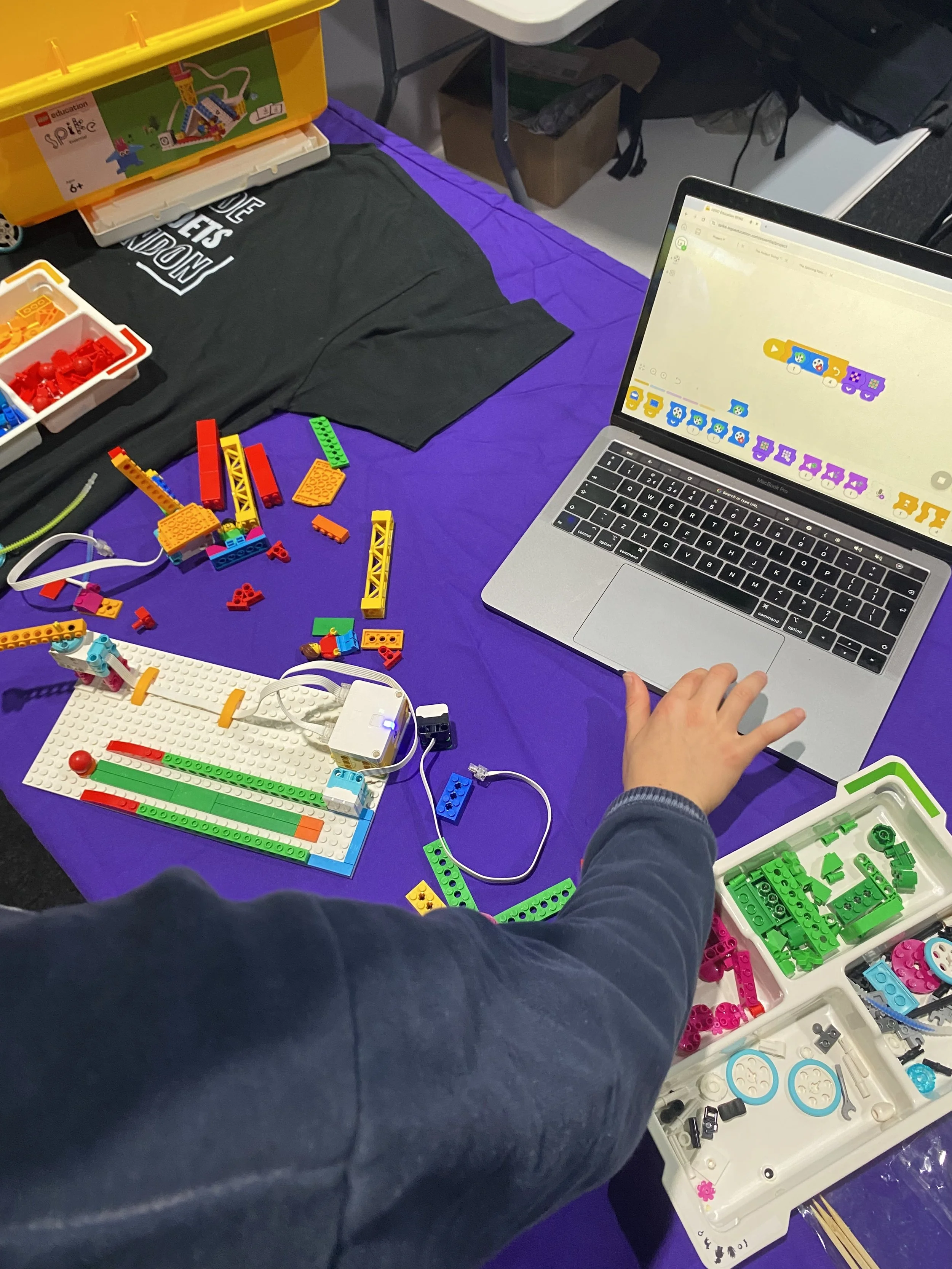
Robotics sessions are noisy, messy and collaborative on purpose. Cadets test each other's ideas, argue about why a wheel won't turn, then rebuild until the mission works.
That's the point. Engineering isn't a worksheet — it's a team figuring out a problem in the real world.
Ready to Start Building?
Bring hands-on coding, robotics and engineering to your child's learning experience.